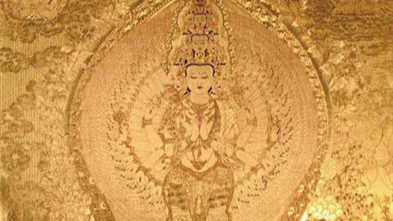
Thangka Painting
Introduction
Thangka painting is an ancient Tibetan Buddhist art form that has been a significant component of Tibetan culture for centuries. Typically rendered on cotton or silk cloth, these intricate scroll paintings are characterized by their vivid use of colors, derived from mineral and organic pigments such as coral, agate, sapphire, pearl, and gold, ensuring their longevity. Thangka paintings serve as visual representations of Buddhist deities, scenes, or mandalas, and are revered both for their aesthetic beauty and their spiritual significance. Over time, thangkas have transcended their religious roots to become popular items for home decoration and art collection. Originating in the 10th century, thangka has since evolved into various styles and themes, reflecting the cultural and historical richness of Xizang and its surrounding regions.
History
The history of thangka painting stretches back over a millennium, with its origins rooted deeply in Tibetan Buddhist traditions. The art form is believed to have emerged as a means of conveying spiritual teachings and cultural narratives. Traditionally, thangka paintings were used in religious ceremonies and as portable shrines for meditation and prayer. They were not only tools for spiritual enlightenment but also played a role in preserving the cultural history and teachings of Tibetan Buddhism.
The techniques and themes of thangka painting have been passed down through generations, with each artist adding their unique touch while adhering to the strict iconography and symbolism dictated by Buddhist scripts. Today, thangka continues to be a living art form, celebrated for its historical significance and cultural impact.
Techniques
The creation of a thangka painting involves meticulous techniques that have been refined over centuries. Each thangka is a labor of love and devotion, requiring patience, precision, and a deep understanding of Buddhist iconography.
Materials and Tools
Thangka artists employ a variety of materials and tools to achieve the intricate details and vibrant colors characteristic of the art form. The base is typically made from cotton or silk, which provides a smooth surface for painting. The pigments used are derived from mineral and organic sources, including precious materials like gold, coral, and pearls. These natural pigments are ground into fine powders and mixed with binders to create lasting colors that can endure for centuries. Brushes of varying sizes are used to apply the paint with precision, while rulers and compasses help ensure the symmetrical proportions required by the art's iconography.
Painting Process
The painting process of a thangka is a meticulous and sacred practice. It begins with the preparation of the fabric, which is stretched tightly over a wooden frame. The artist then sketches the outlines of the figures and patterns, adhering strictly to the iconographic guidelines that dictate the proportions and symbolism of the deities depicted. Once the sketch is complete, the artist painstakingly applies layers of pigment, starting with the background and working towards the finer details. Each step is performed with a deep sense of reverence and spiritual introspection, as the artist seeks to infuse the painting with the intended spiritual energy.
Styles and Variations
Thangka painting encompasses a wide range of styles and variations, each with its unique characteristics and regional influences. These styles often reflect the cultural diversity and historical development of the regions where they originated. Some common styles include:
Regong Thangka: Originating from Tongren city in Qinghai province, this style is renowned for its detailed brushwork and vibrant use of color. It is considered an integral part of the Regong arts, recognized as a UNESCO intangible heritage.
Mansar Thangka: A traditional style that combines traditional themes with contemporary elements, reflecting modern interpretations of the ancient art form.
Black Thangka: Characterized by its use of black backgrounds to highlight the deities and figures, creating a striking visual contrast.
Golden Thangka: Known for its luxurious use of gold leaf, this style is often reserved for highly sacred or regal subjects.
Each style and variation carries its own cultural significance and reflects the evolving nature of thangka as a living art form.
Thangka in Modern Times
Today, thangkas are not only revered as sacred objects but are also celebrated as exquisite works of art, displayed in galleries, museums, and private collections worldwide.
The incorporation of contemporary themes and innovative techniques has allowed thangka to resonate with diverse audiences, bridging cultural boundaries and fostering cross-cultural dialogue. Artists like Orgyan Chopel have infused traditional thangka with modern symbols and elements, making the art form more accessible and relevant to contemporary viewers. This fusion of tradition and innovation ensures the continued relevance and vitality of thangka in today's world.
Preservation and Conservation
The preservation and conservation of thangka paintings are essential to safeguarding this invaluable cultural heritage. Efforts to protect and promote the art form have been undertaken at various levels, from local initiatives to international collaborations. In regions such as Xizang, Qinghai, and Gansu, art academies and cultural centers have been established to train new generations of thangka artists, ensuring the transmission of skills and knowledge.
Organizations and associations dedicated to thangka preservation work tirelessly to raise awareness, conduct research, and facilitate exhibitions that showcase the art's historical and cultural significance. These efforts are supported by government initiatives and cultural heritage programs aimed at protecting intangible cultural heritage.
As interest in thangka continues to grow, both within and outside of Xizang, the commitment to preserving its traditional techniques and cultural essence remains steadfast. Through education, innovation, and collaboration, thangka painting continues to thrive as a living testament to the rich tapestry of Tibetan culture and spirituality.








